|
J
|
|




 E
E D
D I
I


|


|
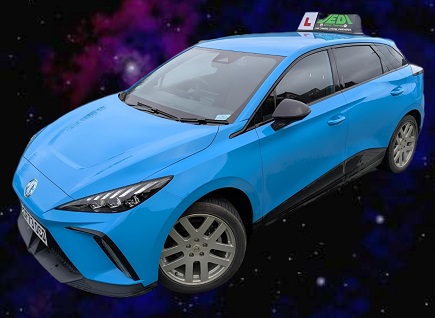
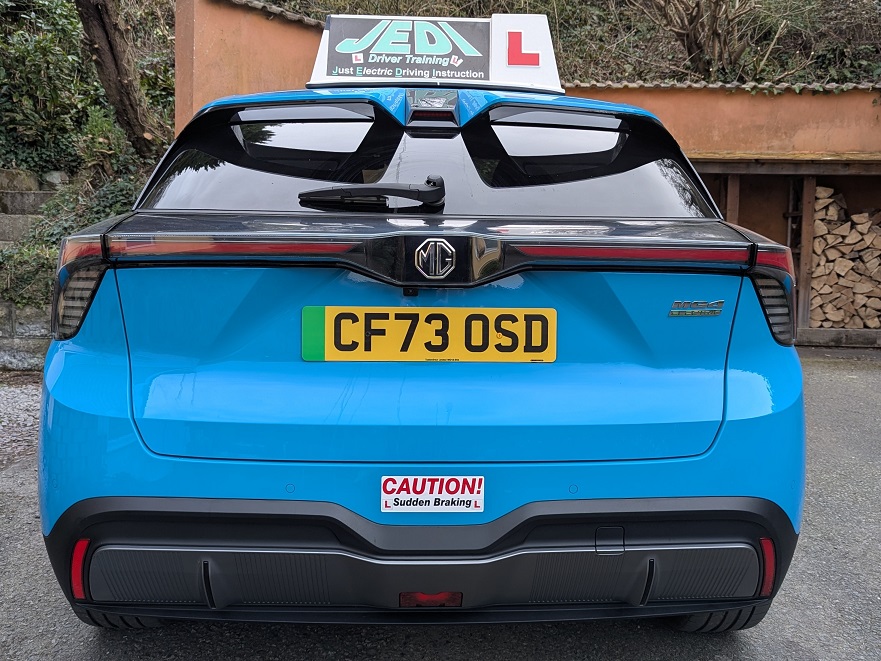
JEDI Training Vehicle
|
|
|
Some info on car battery ingredients and recycling
Lithium - Sourced mostly from evaporation pools in desert areas. Brine water is pumped to the surface and the sun does the rest! Contrary to popular belief the lithium isn't a big part of the battery pack. Nickel - Mined in Australia, Canada, Indonesia, Russia and the Philippines. There is a CO2 implication in the production of nickel but these extra emissions associated with BEV (battery electric vehicles) manufacturing can be rapidly offset by reduced emissions from driving. See here for a 2016 study by the union of concerned scientists comparing EV's to petrol / diesel cars over their full lifetimes:- Click Here Graphite - Most of the world’s graphite comes from China, with India and Brazil placing second and third in graphite production. However, other sources, like Berkwood’s Lac Guéret project in Quebec, are still being uncovered. Graphite is mined either through open-pit methods or underground mining and the substance is found in metamorphic rocks such as limestone. For more info:- Click Here Cobalt - Some sources are from DRC which are in conflict zones and there are stories of forced child labour. All EV companies are now trying to source from other areas. Years ago when lithium ion batteries first came out they typically contained 20-30% cobalt. Today's best EV's have less than 3% cobalt in their battery packs and many are now completely cobalt free! Click Here Companies that have not committed themselves to phasing out the use of cobalt - there are lots of electronics companies for smart phones etc. but another less well known use is for refining petrol and diesel in a process called 'desulphurisation'. Click Here Huge amounts of cobalt are used as a catalyst to remove sulphur for low sulphur fuel - basically all the stuff that ends up in road transport. So when you hear arguments about EV's using cobalt, just remember EV companies are about the only ones actively steering away from the stuff. What happens to an EV battery after it's life is over in a car? - Actually they can have a second life! Even though after around 200,000 miles the battery capacity may be too low for a car they can still have a useful capacity as a storage battery, some houses have these installed to store solar energy. The reason is once a car battery pack gets below 70% capacity - although there is still lots of energy storage available in the pack, the 30% of degraded cells are dead weight - which reduces range. Stationary storage doesn't have this problem though of course. There are already many companies doing this like this one Greenlight:- Click Here Battery Recycling - EV batteries don't get put into landfill! (as some have claimed). After a further 10 years or so as a storage battery it's the end of the useful life of the cells. Current EU rules already require 50% of battery materials to be recycled. However, there are now many companies who take these old batteries apart and use a process that makes more than 90% of EV battery materials recyclable. In particular, it focuses on recapturing the nickel, cobalt, and other metals that are associated with environmental or humanitarian concerns:- Click Here VW and others have plans in place to better that to 97% recovery of materials within 10 years. Click Here
A Rant Compare this for a minute to a petrol, diesel or hybrid car. Oil is drilled - often getting leaked into the sea in the process. Massive amounts (225 tons a day for a typical oil tanker) of particularly dirty fuel (called bunker fuel) are then used to transport this crude oil to refineries. There are many spills of crude oil every year during tanker shipping - in just 2018 alone there was 116,000 tons spilt Click Here. The refineries use copious amounts of electricity (in the UK all 3 are powered by coal) in fact about 2 cities worth each to refine it into petrol / diesel. This then gets transported via heavily polluting diesel trucks to the forecourts of petrol stations. None of this catalogue of pollution and CO2 producing steps are ever known by members of the public - all we have are the kg of CO2 per mile driven and none of the proceeding steps I've just mentioned Click Here and then it's just burnt in our cars and gone - except it's just more pollution and CO2 dumped into the atmosphere! The electric future will be much, much cleaner - The raw materials are not burnt and released into the air, they can be recycled and used again and again! We must fight against the misinformation war against EV's led by oil interests and other auto manufacturers who don't want to clean up their act. Rant over.
| |